




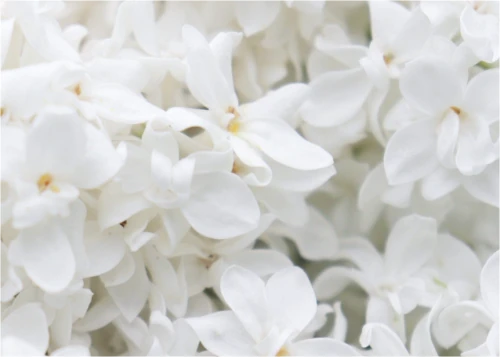
The Colour White
The Luminous Colour of Clarity & Serene Brilliance
White is a colour that embodies purity, simplicity, and a touch of playfulness. With its crisp, clean presence and timeless appeal, the Colour White transcends seasons and trends to offer an enduring sense of elegance and freshness. This pristine hue is a canvas of potential, reflecting light and life in its most unadulterated form.
Shades of White
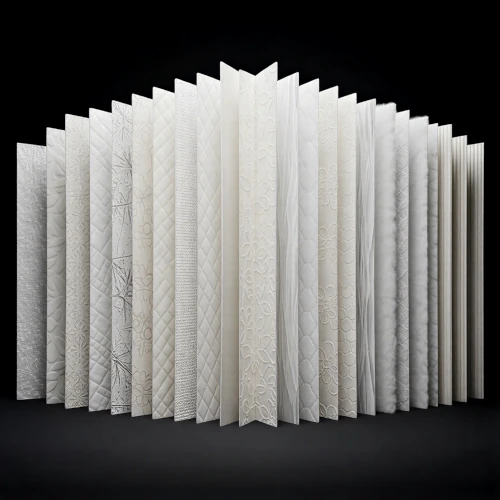
White is the colour of beginnings — pure, radiant, and timeless. It is the light of dawn, the blank page awaiting creation, and the silence that holds infinite potential. Across cultures, White has symbolized purity, peace, and transcendence. It is both sacred and practical: the colour of ritual garments, of snowy landscapes, and of minimalist design. To embrace the colour White is to step into clarity, a reminder that simplicity can be profound. Every shade of White carries its own resonance, from warm ivory and eggshell to cool frost and snow Whites.
The History and Significance of the Colour White
White is the presence of all light. It is the colour of the beginning and the end—the “tabula rasa” (blank slate) upon which all other history is written. While we often view White as the “absence” of colour, its history is filled with high-stakes chemistry, religious fervor, and a surprisingly dangerous obsession with perfection.


Did You Know?
Scientifically, White light contains all the colours of the visible spectrum, a discovery that forever changed humanity’s understanding of light, colour, and perception.

Learn more about The History of White
The artist Wassily Kandinsky described White as “a silence which can suddenly be understood.” It is the colour of the cloud, the snow, and the blank page. It provides the contrast that allows every other colour to exist. Without White, there would be no highlights, no depth, and no “light” in our visual world.
The Colour White in Nature
White is the Colour of Light in its Purest Expression. It appears where form dissolves into Brilliance — in drifting clouds, falling snow, breaking waves, and the petals of night-blooming flowers. In nature, White is both Presence and Absence, revealing shape while reflecting all Colour at once.
This radiant hue emerges through Reflection, Structure, and Simplicity. Ice scatters light into shimmering clarity, feathers and fur gleam with layered whiteness, and shells, stones, and sands carry the memory of ancient seas. White often signals Transformation — moments where life Pauses, Resets, or Begins anew.
Let’s explore White as both a Physical Phenomenon and a Symbolic threshold. We journey through White in landscapes, skies, waters, plants, animals, and minerals, uncovering how this Colour influences temperature, visibility, survival, and perception. White reveals itself not as emptiness, but as potential — a canvas shaped by Light, Time and Movement.
To understand White in nature is to witness the World in moments of Clarity and Transition — where everything is possible, and nothing is yet defined.
“ White is the Light, the primary Element by which we Understand and Influence the Unknown. “
The Science of White
White is not the absence of Colour, but the presence of all Visible Light. Scientifically, White appears when surfaces reflect nearly every wavelength of the visible spectrum evenly, sending a full blend of Light to the Eye. This complete reflection explains why White feels Bright, Pure and Expansive.
Explore the Science of the Colour White to discover how Light, Perception, and the Physics of reflection shape the most fundamental Colour experience of all.
Did You Know?
In the 20th century, White became the uniform of the future. Architects like Le Corbusier used White to represent health, hygiene, and logic. The “White Cube” became the standard for art galleries—White walls meant that the art could be viewed without any outside influence or distraction. In Technology, from the original iPod to the clean interfaces of modern apps, White is used to signal “user-friendliness” and cutting-edge minimalism.
A Taste of White
White arrives on the Palate like Fresh Air.
It is Clean, Subtle and Calming—flavours that Soothe the Senses and Clear the Mind. White does not layer itself with complexity; it Refines. It allows Texture, Temperature and Purity to speak.
To taste White is to experience food in its most Elemental form. It is the Colour of Beginnings, of Nourishment without distraction, of Simplicity elevated into Quiet Beauty.
White foods Calm the Body and Clarify the Senses. They support digestion, hydration, and restoration. White resonates with clarity, simplicity, and renewal, offering space for Balance and Healing.
Rather than stimulating or grounding, white resets. To taste white is to taste clarity, calm, and quiet renewal.
White is Purity made edible. It is flavour without excess, nourishment without distraction. White reminds us that Simplicity can be Profound.
The Sensory Experience of White
White is the Breath of Silence made visible—the Colour of Beginnings, of Clarity, of spaces that invite Reflection and Renewal. To encounter White is to feel openness, as though the World has been gently cleared to make room for Possibility. It is the hue of Purity and Peace, of Stillness that hums with Quiet Potential.
🌬️ If white had a scent, it would be the crisp fragrance of freshly laundered linen, mingled with the coolness of snow and the faint sweetness of jasmine blossoms. It is the aroma of winter mornings, of clean paper awaiting words, of air that feels untouched.
🎶 If white were a sound, it would be the hush of falling snow, or the soft resonance of a single piano note held in stillness. It evokes the gentle rustle of silk, the distant echo of wind across open fields, the silence between breaths that feels alive.
🥛 If white were a flavor, it would be delicate and pure: the creaminess of milk, the sweetness of coconut, the airy lightness of meringue. It is a taste that soothes, that refreshes, that feels like simplicity distilled into nourishment.
🕊️ If white were a texture, it would be the softness of cotton sheets, or the smoothness of porcelain beneath fingertips. It might also be the cool powder of chalk, fragile yet grounding, ephemeral yet steady.
White is the Colour of Beginnings: of Blank canvases, of dawn Light, of spaces where Imagination can unfold. It is a synesthetic hymn to Purity, a reminder that emptiness is not absence but invitation. To explore White is to explore Possibility itself, to surrender to a sensory experience that feels like Silence made tangible.
Cultural Impact of Whimsical White
Whimsical White has left a significant mark on various cultures and industries. In the art world, it has been used by masters like Kazimir Malevich, whose “White on White” series pushed the boundaries of abstract art with its exploration of form and purity. In fashion, designers like Coco Chanel and Christian Dior have embraced Whimsical White to create iconic pieces that exude timeless elegance and chic simplicity.
Psychology of Whimsical White
Psychologically, Whimsical White is known for its calming and refreshing qualities. It is a color that promotes a sense of cleanliness and simplicity, often associated with new beginnings and clarity. White is used in marketing and branding to convey a sense of purity, sophistication, and modernity, making it a popular choice for brands that value minimalism and elegance.
Whimsical White in Modern Design
In modern design, Whimsical White is used to create airy, open, and serene spaces. Whether it’s in interior design, graphic design, or digital media, this color adds a touch of freshness and sophistication. Its versatility allows it to be paired with a range of other colors, making it a dynamic choice for various design projects.
The Colour White in Religion and Spirituality
White is the Colour of Beginnings and Endings that look the same.
It is the blank page and the final Light, the Snow that covers the World and the cloth laid gently at life’s most sacred thresholds. In Spiritual Imagination, White often becomes the symbol of what is beyond stain, beyond confusion, beyond division. It is not the absence of Colour, but the gathering of all Light at once.
White is the colour of Purity of Intention.
Across many traditions, it is chosen for Moments of Consecration, Initiation and Prayer. White garments, White candles, White flowers—these are used not to erase the Human Story, but to mark a desire for Clarity and Sincerity. White suggests a Heart turned toward what is Good, Honest and Whole.
Yet White is not only about moral Purity; it is about Openness.
A White space invites what will come next. In this way, White can symbolise Spiritual Readiness—the willingness to receive Wisdom, Grace or Insight. It does not claim to know; it prepares to understand. Like Morning Light filling a room, it reveals Gently and Completely.
White is often linked with the Sacred and the Transcendent.
Clouds, Light and Radiant Visions are frequently described in pale Brilliance. This is not simply about brightness, but about a sense of the ungraspable. White becomes a visual language for what words struggle to contain: the Idea of the Holy, the Infinite, the utterly Luminous.
There is also Peace in White.
It Quiets the Eye and Softens the Mind. In places of Worship, White can create a feeling of Spaciousness and Calm, allowing Reflection to deepen. It carries the Stillness of Snowfall, the Hush of a Quiet Dawn, the Calm of a Gentle Breath.
At the same time, White holds many meanings across cultures.
In some traditions it is worn for Celebration and Sacred Joy; in others it appears in times of Mourning and Remembrance. This contrast reveals something profound: White stands at Life’s great thresholds. It accompanies both Arrival and Farewell, both Birth and Release, reminding us that Spirituality often lives in these turning points.
White is also the Colour of Unity.
Because it contains all Wavelengths of Visible Light, it can be seen as a Symbol of Wholeness. Spiritually, this can reflect Harmony, Integration, and the Idea that many paths may meet in Shared Truth. White gathers rather than divides.
To encounter White in a Sacred Space is to feel Cleared and Lifted. To pause. To become quietly aware of something larger.
It invites the Soul into Simplicity, Honesty and Presence. Like a clear sky after rain or a candle glowing in darkness, white suggests that Light is always possible, even after shadow.
The Colour White tells a Story of Sacred Clarity: of Beginnings offered freely, Peace gently extended, and a Luminous openness that reminds the Soul of its capacity for Renewal and Unity.


